
The greatest lesson learned from Brian Tracy’s most famous book Eat That Frog, and a recent read, The Art of Practice by Laido Dittmar, was to do hard things first. Barbell Squats are the hardest weight workouts I could perform. At work, updating lists and files are the most difficult because it’s incredibly boring. Art is hard since I don’t draw enough; but if I were to pick its greatest difficulty, extending my drawing time past an hour would be it.
That time needs to be filled with difficult techniques to take me out of my comfort zone, but not enough to where I quit out of frustration. Mechanical Drawing and Background are my weakest. Lo and behold, I have an excellent collection of books that focuses on all of my skill issues.
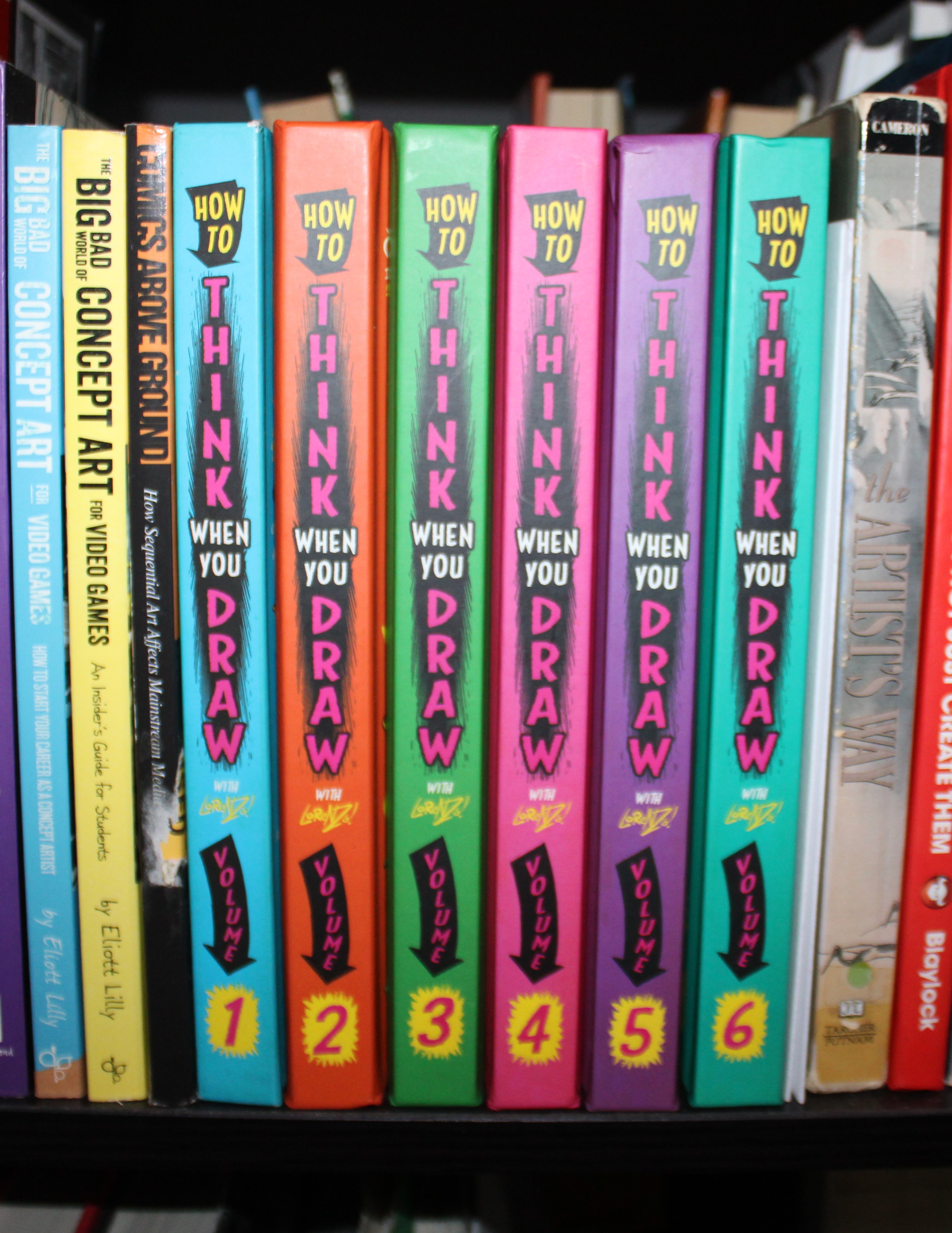
How to Think When You Draw series by the Etherington Brothers is a treasure trove of references and tips for anything you’re trying to learn. Every installment brings new tips and ideas that they already have online for anyone to study for free. I prefer the convenience of books to help curb my internet addiction, and to have the information in one spot.
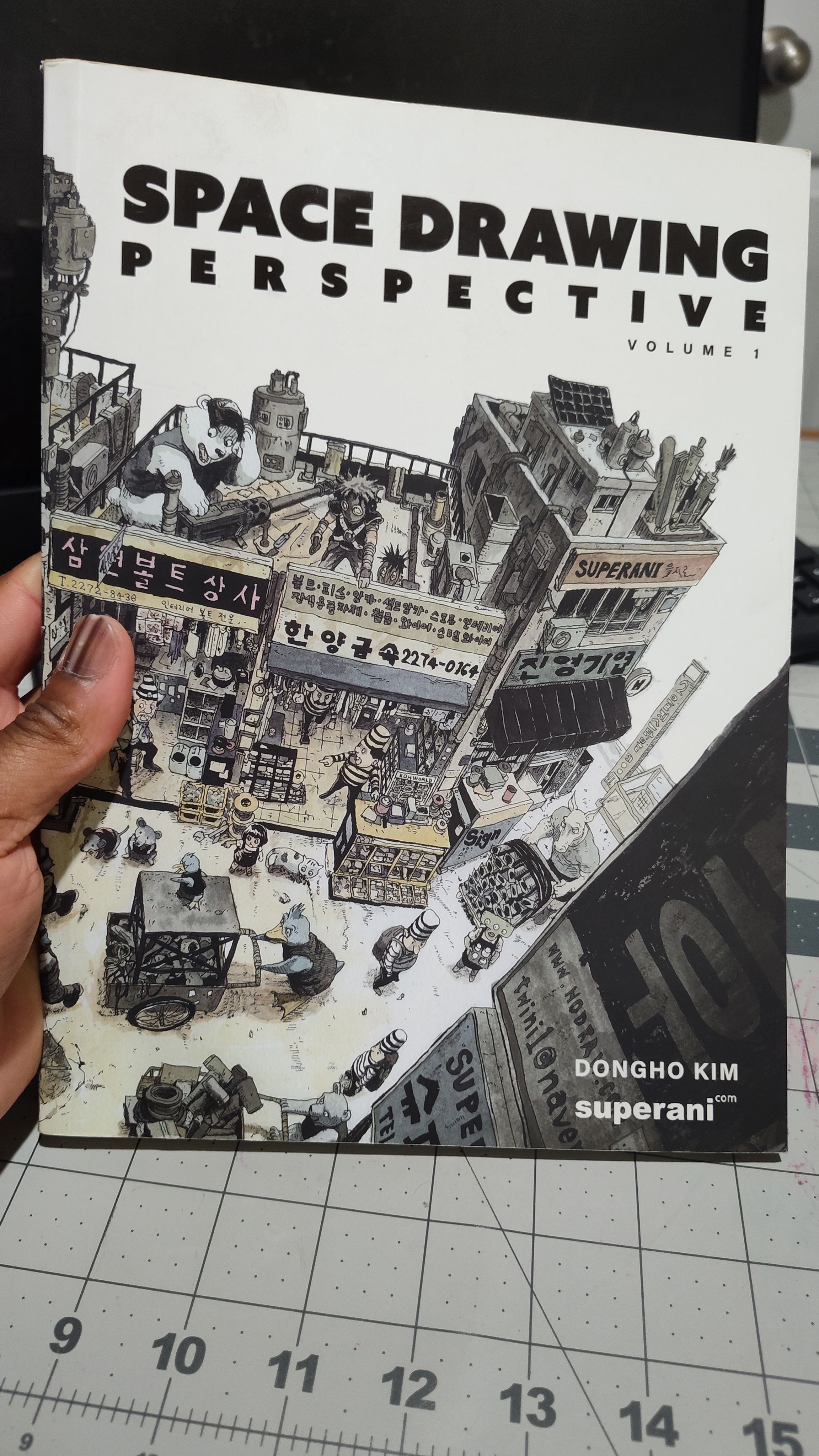
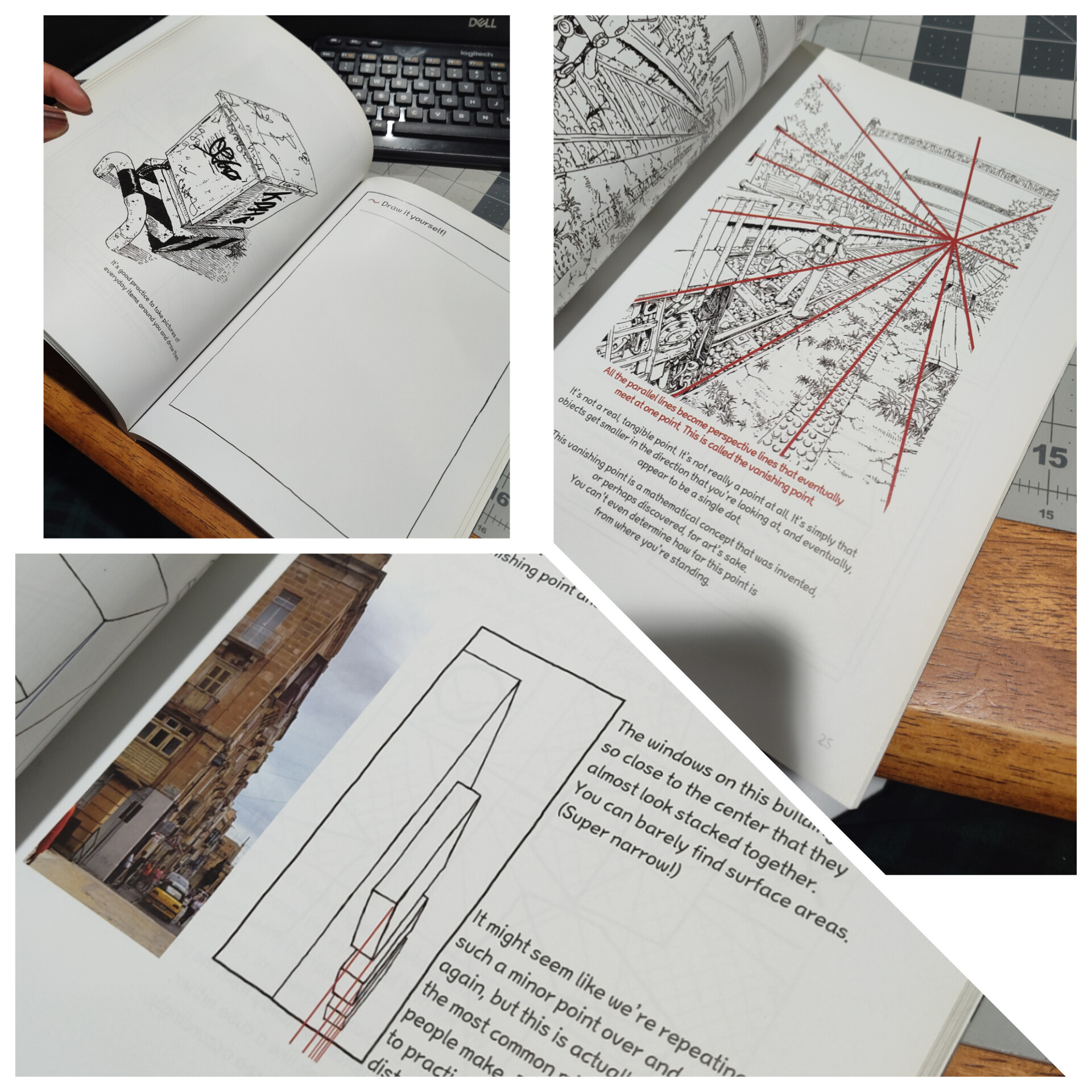
I followed Dongho Kim some time around work with Superani. I love the way he handles perspectives and environmental drawings
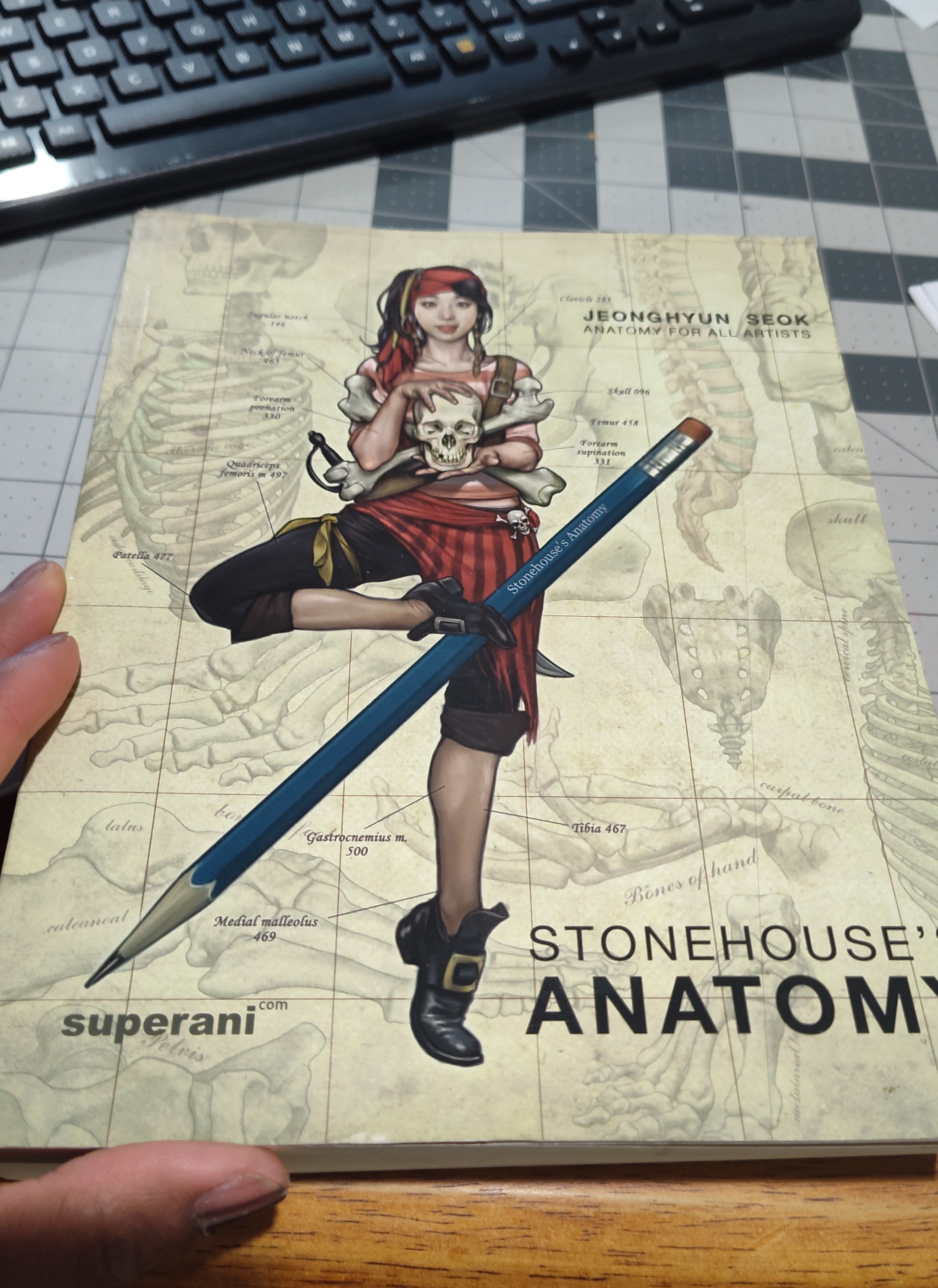
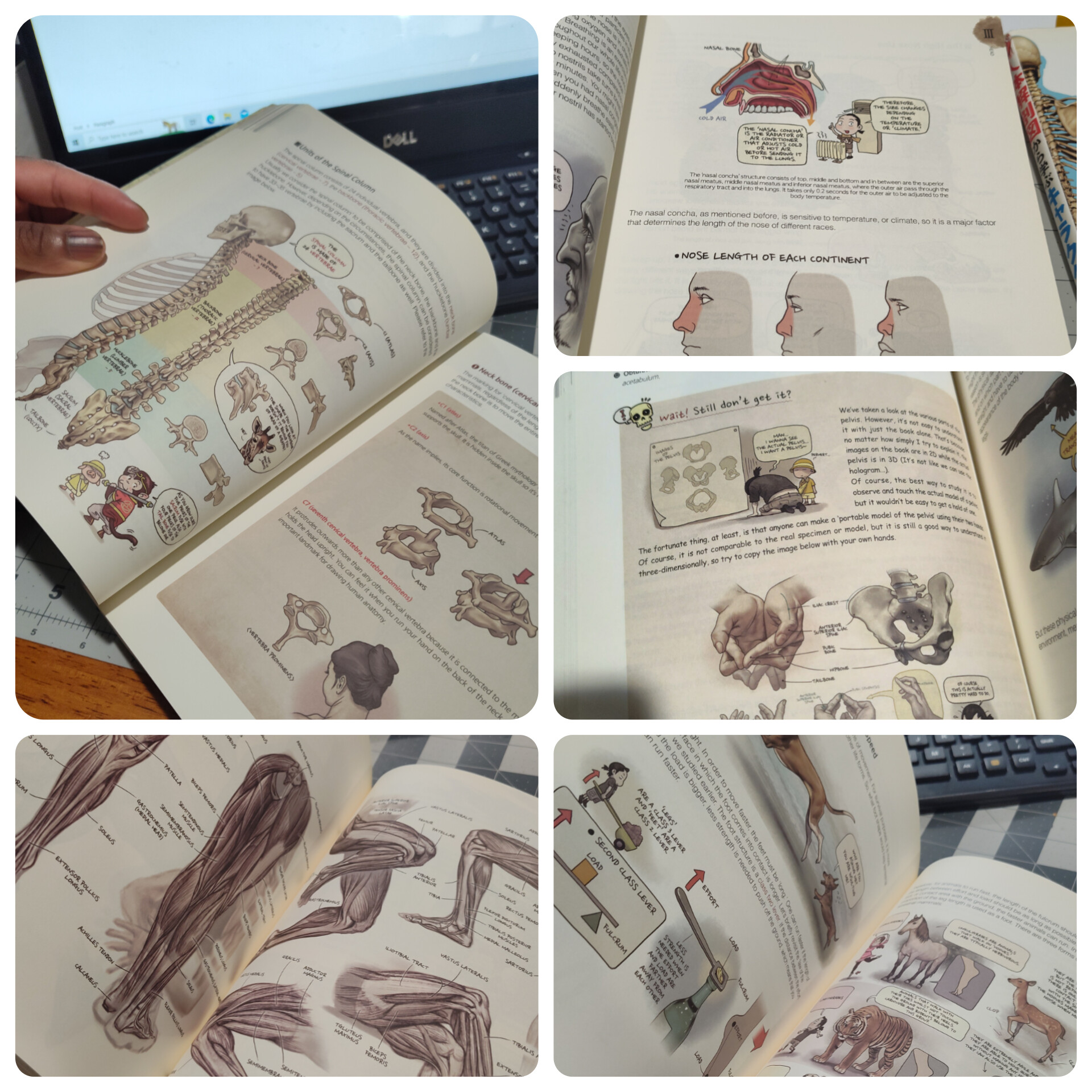
The reviews from YouTubers , and looking at the artist’s work on social media. This book is worth its weight in gold. To many, Jeonghyun overloads you with his insight on drawing the human anatomy, but it’s that intention to detail that makes his artwork look so photorealistic, even when the art style is far from it.

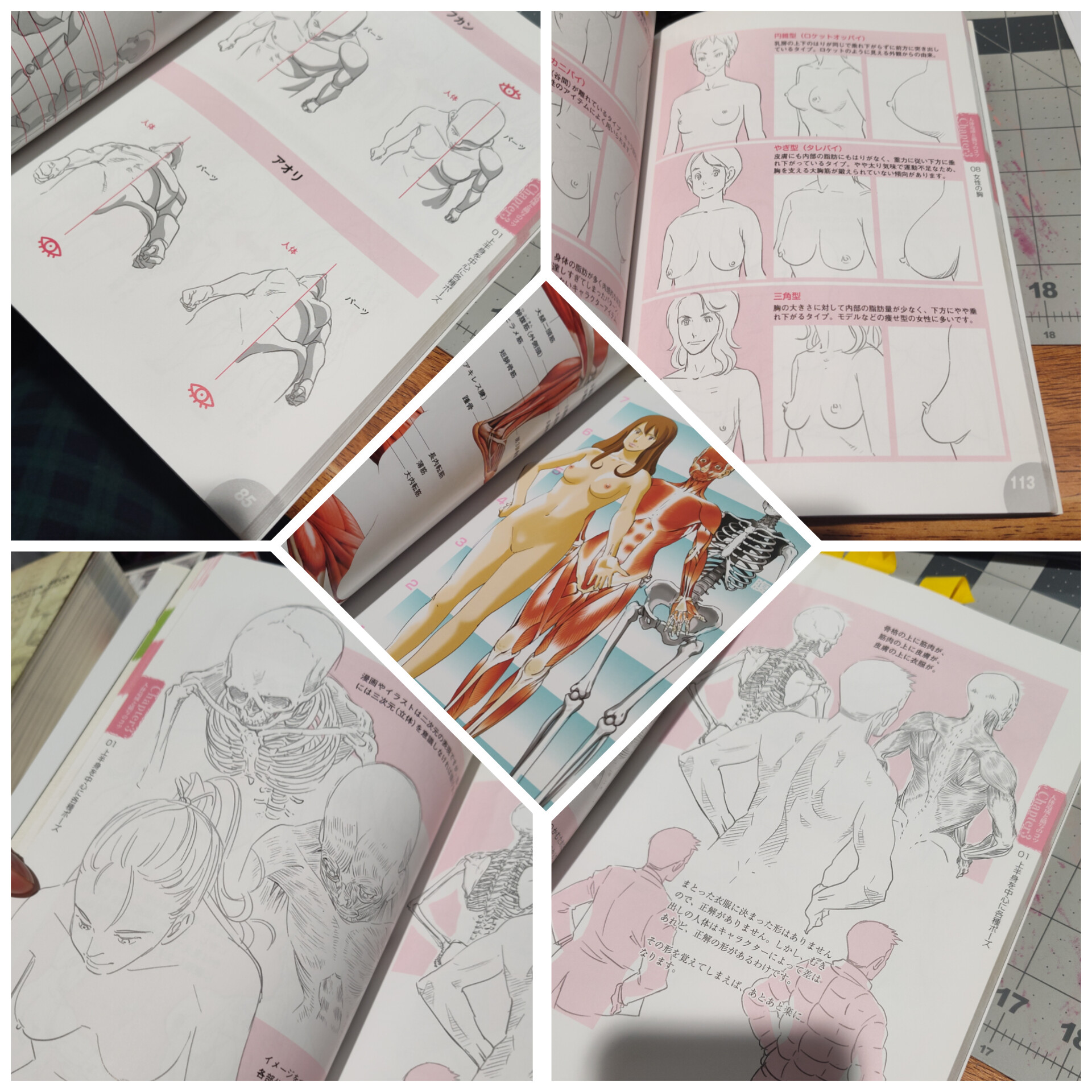
I wish there was an English version!
This anatomy book is a simplified attempt at understanding human anatomy for artist, and he manage to cover every necessary point. I can only wonder what nugget of information is in the written part of the book.
I actually came across the full book shared on social media and downloaded it. But once again, I wanted a physical copy.

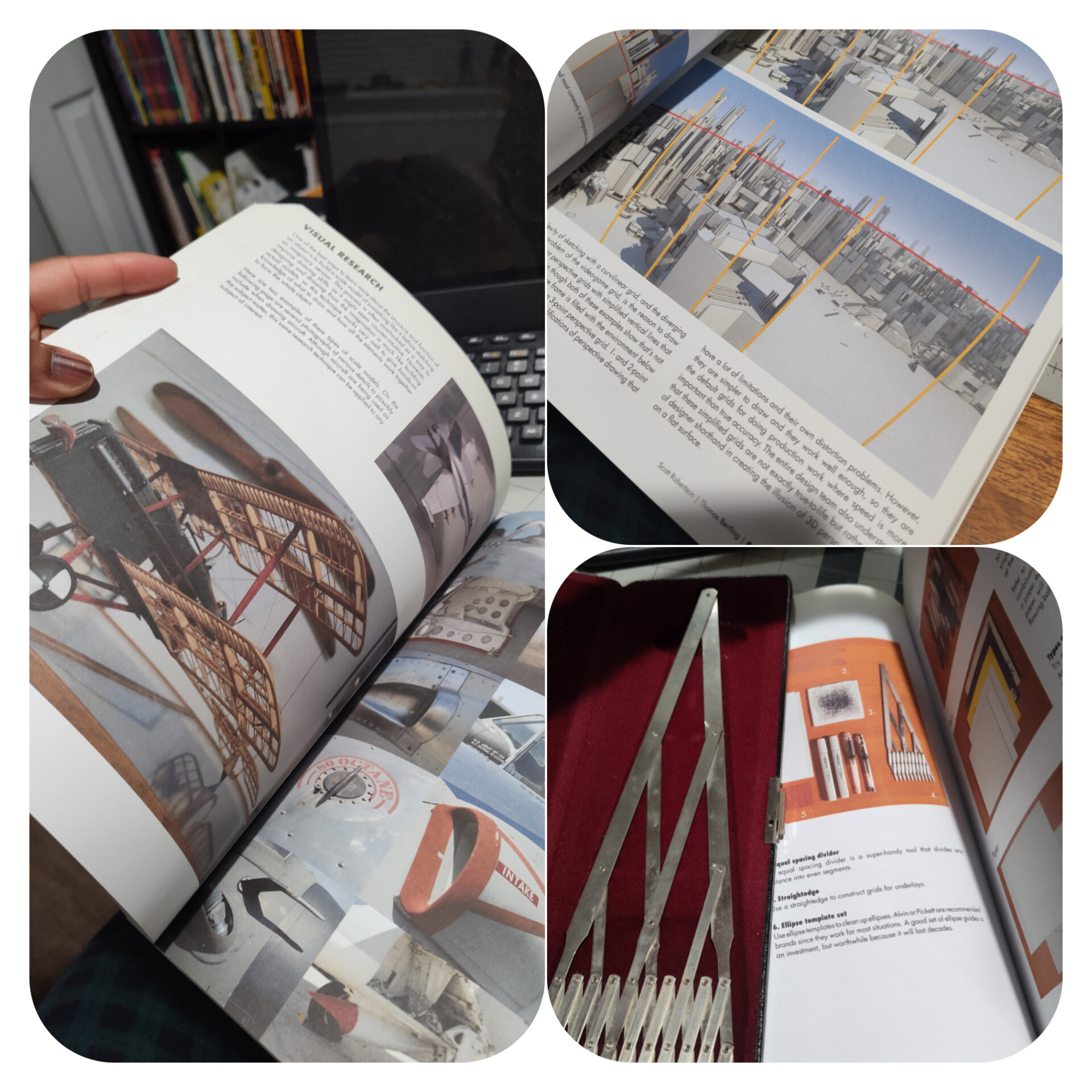
This book leans more towards technical drawing than what I’m familiar with. And I didn’t get into it because it required an equal space divider. By the time I could order it, my interest went away. I have a theory that if I practice technical drawing as it should be (draw something to scale), drawing it artistically would be easier.
Now, I have the intention of testing that theory.
I got anxious looking through my book collection to see where to start practicing. But this anxiousness to start has happened before. Beginner’s rush depletes after the first few minutes of drawings. I’ll need to look for ways to make what I draw engaging long enough to internalize the act of drawing again. And since I’m drawing to earn a living, what I draw needs to be attention grabbing and worth owning.
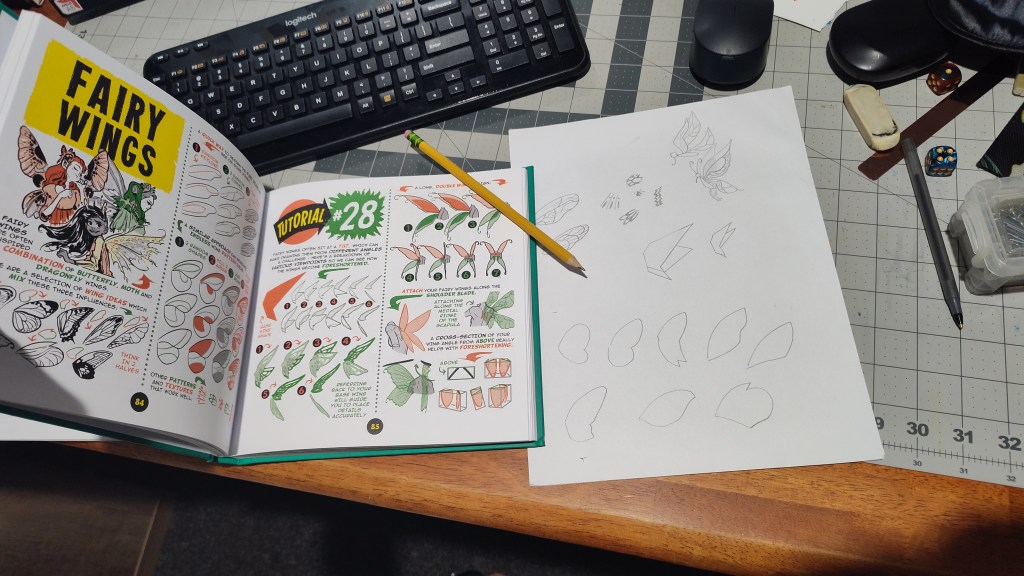
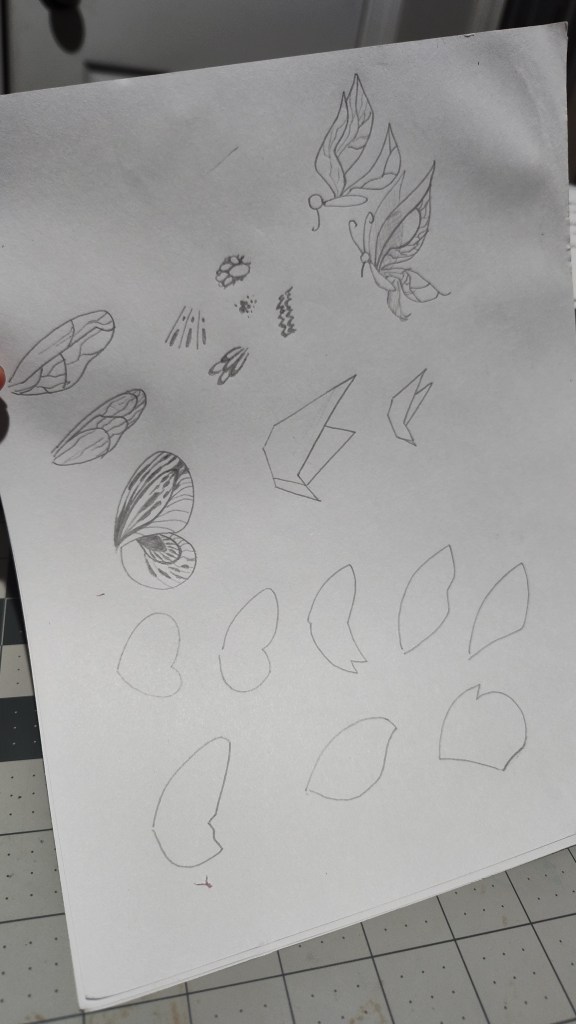
I’ll need a few days to really think of something worthwhile. I should still draw in the meantime. And speaking of drawing, this was the first set of practice I did while taking these pictures. This was a tutorial from How to Think When you Draw Volume 6.
 deeintrigue
Pingback: Dispatch x003: Practice Time | deeintrigue