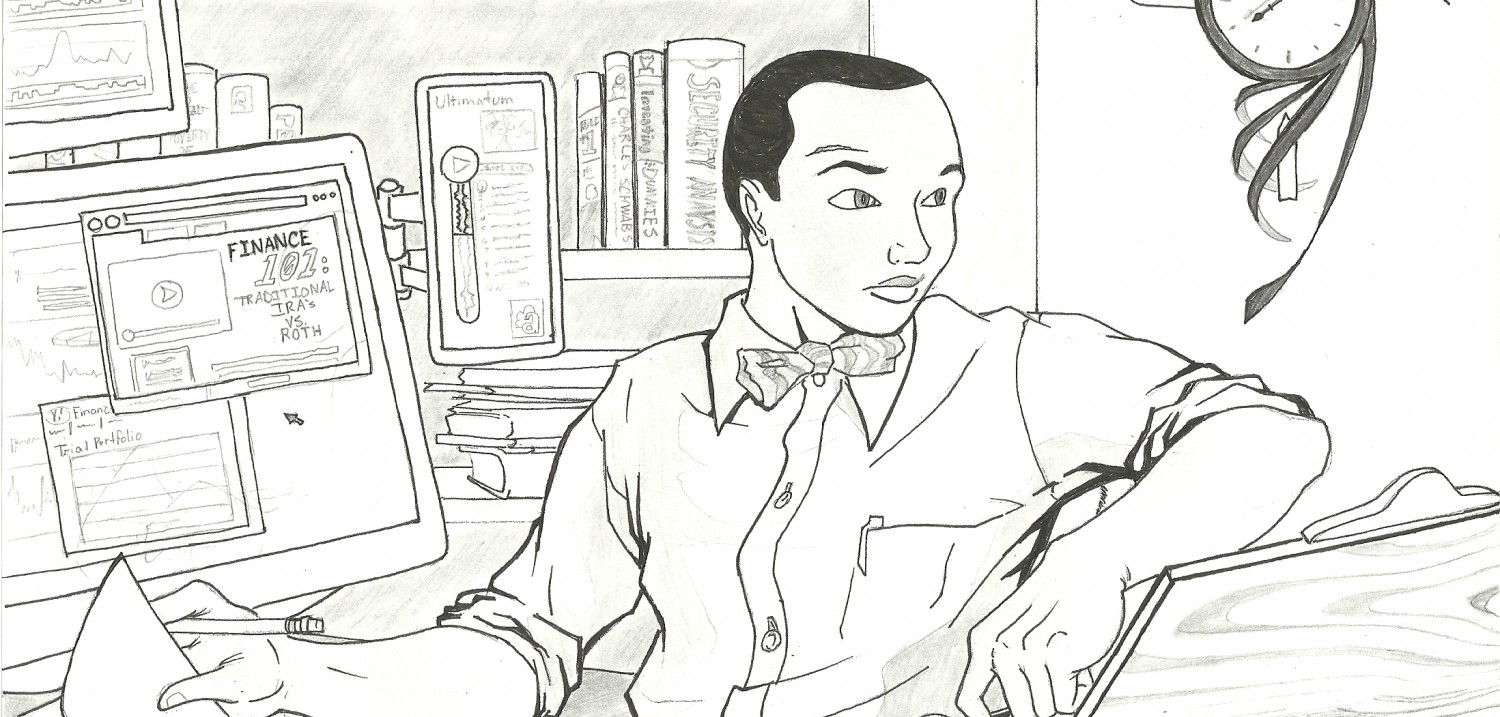
I once threw an egg at the brick wall outside of my apartment building. Any activity to battle the bouts of boredom was worth the worried looks of my neighbors. I cleaned the mess afterwards.
I’m approaching this post in the same matter.
It’s been several months since I’ve blogged. In-between that time I’ve poorly manage to finish two other essays on what I’ve learned last year and the joy of spending money on books I’ll never read. I know the content I want to post; it’s having to edit and condense those essays that’s a problem. I’m also writing a pilot story to use as portfolio pieces to present at one of the comic conventions near me[1][2]. Those are simpler to write.
Please don’t ask how my drawing time is going.
My personal life is in worse turmoil than my professional life, but since the few people who’ll read this assume I’m doing alright, I’ll maintain the lie by not going into detail. Any signs of stability comes from prayers and lectures I took from James Clear’s Habit’s Academy. I don’t usually order anything that isn’t a baked good covered in glaze, but the quality of his free newsletters convinced me. I’m not sponsored by him so I won’t explain his courses, but I will give you a link to both his website and the courses [here] or [here]. It’s worth getting his free newsletter if you’re slacker skills are around the same level as mine.
What I will promote is my Instagram page. My Facebook profile is for dank memes and wasting my life away. It’s also how I stay ill-informed to everything political, religious, and health related. My Instagram is quiet from lack of content, but eventually I would unplug myself from social media throughout the day to produce work to show……on……social media. I’ve been a good boy on following only artists and writers on Twitter.
I remember the phrase ‘To know something and not use it is the same as not knowing.” That is my predicament. I own five career books for concept artist, comic book illustrators and logo designing; more than ten books on writing which range from improving grammar, screenwriting, creative, and comic script writing; at least six books on comic theory; and a sleuth of Art of books from games I played or watched on YouTube; yet here I am, not any closer than being a professional artist than I was eightyears ago. I bought my first laptop on the merits of having access on information to aide a career as an artist. Turns out I’ve done the opposite. The most productive activity I’ve achieve was finding how a thousand degree knife would cut crayons. I focused on improving everything external without correcting what has really been the culprit to my slow progress in life; poor daily habits.
Still, it’s too late to quit even when striking out for this long. I’m convinced of the plan I’ve made for my professional life will work when I put it to practice. So here’s to not giving up out of stubbornness! I’m throwing yet another declaration on striving for a fan base and improving as a storyteller and illustrator.
Here’s to hoping this mess looks more interesting than a cracked egg.
[1] Wizard World Con

 deeintrigue